
Polk County Neighbor Records
A block lookup works best as a small evidence table, not a claim that one roll identifies every person. Polk County GIS draws parcels and ties them to appraisal fields. Elections can provide a customized public extract. Plats explain subdivision lots and common tracts. Dated reverse directories can reconstruct an earlier block. Community groups add public contacts and geographic context, but their private membership is not a public resident roll.
| Source | What It Shows About a Block | Access |
|---|---|---|
| GIS and appraisal | Parcel edges, assessed owner, situs, mail, land use, and homestead fields | Free map and property roll |
| Elections custom list | Qualifying voter fields for a street, precinct, CDD, or municipality | Submitted request with filters and fees |
| Permit and code files | Work, applicants, contractors, hearings, and liens | City or county office by jurisdiction |
| Reverse directory | Dated occupants or businesses in house-number order | Local history room or State Library |
| Recorded plat | Subdivision lots, blocks, roads, and common areas | Clerk Official Records |
| Association source | Published officers, meetings, contact, and stated service area | Public pages when available |
An assessed owner is not always an occupant. Owner mail may go to a trustee, company, manager, or another home. A homestead flag can support owner occupancy, yet it does not enumerate a family. The voter extract also excludes people who are unregistered or protected. State each name with its source and date.
Map Polk County Neighbors
Open Polk County GIS Viewer v3 and use “Find address or place.” Zoom until lot lines are clear. The public interface does not expose a verified one-click resident buffer list, so select each relevant parcel. Decide first whether the block means touching side and rear lots, homes directly opposite, or every parcel within a set distance.
- Center the target address and keep it visible while parcel boundaries load.
- Click every polygon that meets the stated selection rule, including lots opposite the road if chosen.
- Copy each STRAP and open the appraisal detail for assessed owner, situs, mail, and homestead fields.
- Mark roads, water, common tracts, parent parcels, and vacant lots rather than treating them as homes.
- Date the result and save the selection rule so another reader can reproduce the block.
Condominium units may stack within one apparent polygon. Acreage also distorts “next door” because a touching parcel's building can sit far away. Use unit records and the declaration or plat for a condominium. For a full road rather than the immediate block, shift to the Polk County street directory workflow.
Read Polk Neighbor Parcel Fields
The county parcel layer separates property fields from owner-mail fields. That distinction is a Polk County neighbor lookup's most useful check. The GIS schema publishes the owner name, mailing address and ZIP, property address and ZIP, neighborhood description, acreage, land use, and exemption fields. Geometry ties those facts to a polygon.
- STRAP
- Polk County's parcel key, used to bridge the map and appraisal record.
- Situs address
- The physical property address, distinct from the owner's mailing destination.
- Parcel
- A mapped unit of land with its own assessment identity.
- Plat
- A recorded plan showing lots, blocks, roads, and shared land in a subdivision.
The map is informational, not a survey. Its standard query return also has a 2,000-record cap, though a careful block audit stays well below that. Parcel data can lag a sale, so recent ownership should be checked against the Clerk's recorded deed index.
Polk Neighbors on Voter Lists
Florida's individual registration lookup confirms one known voter and is not a browseable street tool. For block research, use the Polk Elections customized list request. Its criteria can include municipality, precinct, community development district, party, status, and voting history. The request can describe a normalized street and ZIP in the comments field.
Polk Elections says it reviews and responds in one to two business days. Printed output costs $0.15 per page after the first 25 pages. Mailing labels cost $9 per thousand plus $7 processing, and mailed printed material adds at least $7.50. Amounts over $10 must be prepaid. An electronic request may avoid print charges, subject to the office's review.
Public fields may include name, residence or mailing address, party, registration status and date, precinct or district, and participation history. Ballot choices are not public. Social Security numbers, driver-license or state-ID numbers, signatures, and protected addresses are withheld under Florida law.
Note: Inactive voter status is not proof that a person moved on a certain date; returned-mail procedures can trigger that status.
Polk Neighbor Boundaries Differ
Polk County contains 17 municipalities and large unincorporated areas. A postal city can extend outside municipal limits, especially around Lakeland, Winter Haven, Davenport, and northeast Polk. A neighborhood name may instead mean a subdivision, planning area, homeowners association, community development district, or informal place. Those areas are not interchangeable.
| Community source | Use in a block lookup |
|---|---|
| GIS community and district layers | Test mapped context around the parcel |
| Recorded subdivision plat | Confirm lots, blocks, roads, and common tracts |
| Public association page | Verify officers, meetings, contact, and claimed boundary |
| Municipal records custodian | Request local permits, code cases, minutes, or board records |
| Historical civic collection | Study past organizations through mediated archives |
No authoritative countywide HOA directory with member-roster status was found. Associations often publish board contacts and meetings, not private member lists. Church, congregation, and block-watch rosters should stay private unless the organization intentionally publishes them.
Earlier Polk County Neighbors
A current parcel map cannot reconstruct an earlier block after a lot split, replat, or road change. Retrieve the dated subdivision plat and tax roll. Then scan a reverse directory's street section through the target run of house numbers, keeping cross-street headings. The Lakeland History Room and State Library hold local directory material, while Polk County's History Center preserves maps and other county records.
Historical city directories name occupants only for a stated date and canvassed area. Rural residents were often omitted. Census schedules, deeds, tax evidence, cemeteries, churches, and newspapers fill some gaps. The result is a dated snapshot of nearby households, not proof that those people knew or interacted with each other.
Official Polk Neighbor Rolls
Commercial neighbor tools combine records from unknown dates and can blur an owner, occupant, and former address. Official custodians disclose the type and date of the underlying record. Neither source is a full resident census, but the official path makes each inference easier to audit.
| Question | Official Polk source | Commercial compilation |
|---|---|---|
| Who owns the parcel? | Dated appraisal roll plus deed | May not state the record date |
| Which lots touch? | GIS polygons and recorded plat | Method may be unclear |
| Who is registered there? | Lawful Elections request with exclusions | Source and protected-record handling may be unclear |
| Can the result be corrected? | Contact the named custodian | Use that service's own correction process |
Correct an official error with the office that created it. Do not republish signatures, identification numbers, confidential vital data, or protected addresses. Use the least personal information needed for a lawful purpose.
Polk Neighbor Safety Sources
Some users need a current public-safety record, not a household list. The Polk Sheriff jail inquiry reports current jail information and warns that an arrest is not a disposition.
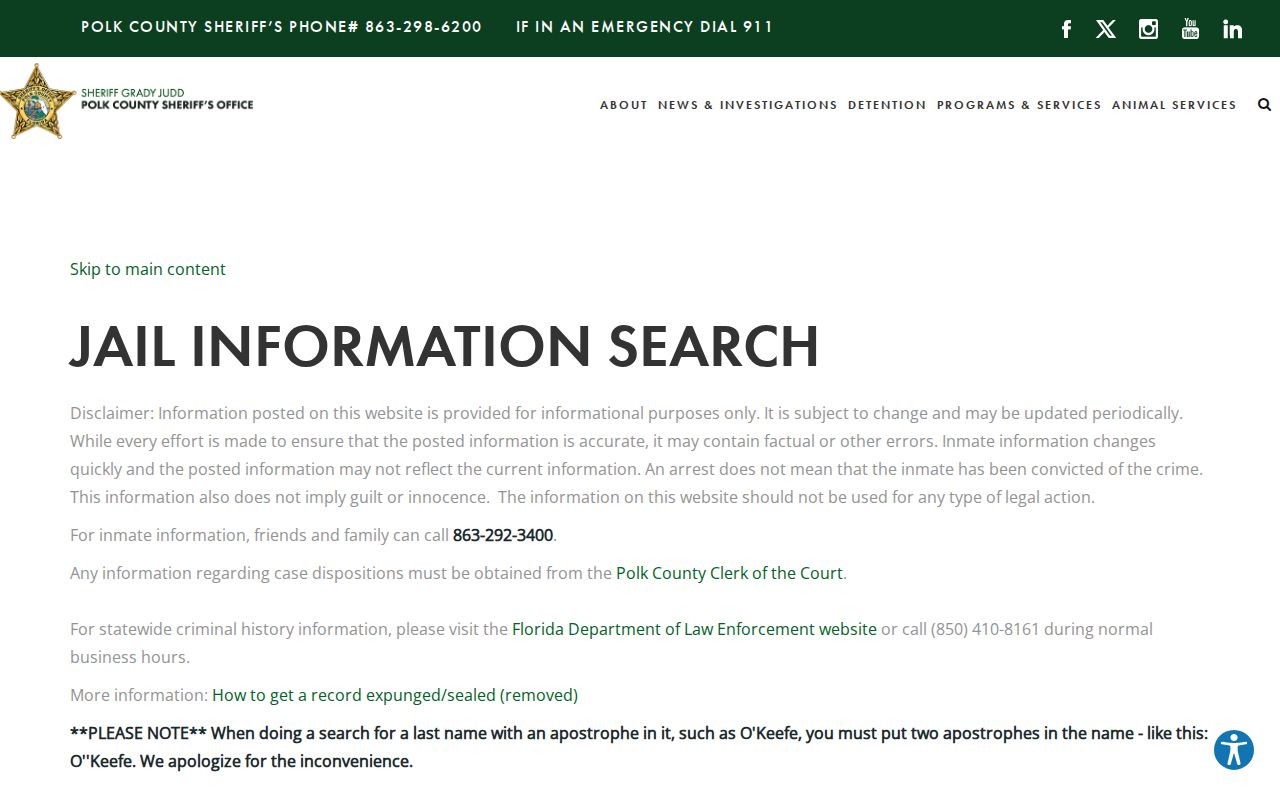
Check the court record for the later case result rather than treating a jail entry as guilt.
The Florida corrections offender search covers statewide correctional records.
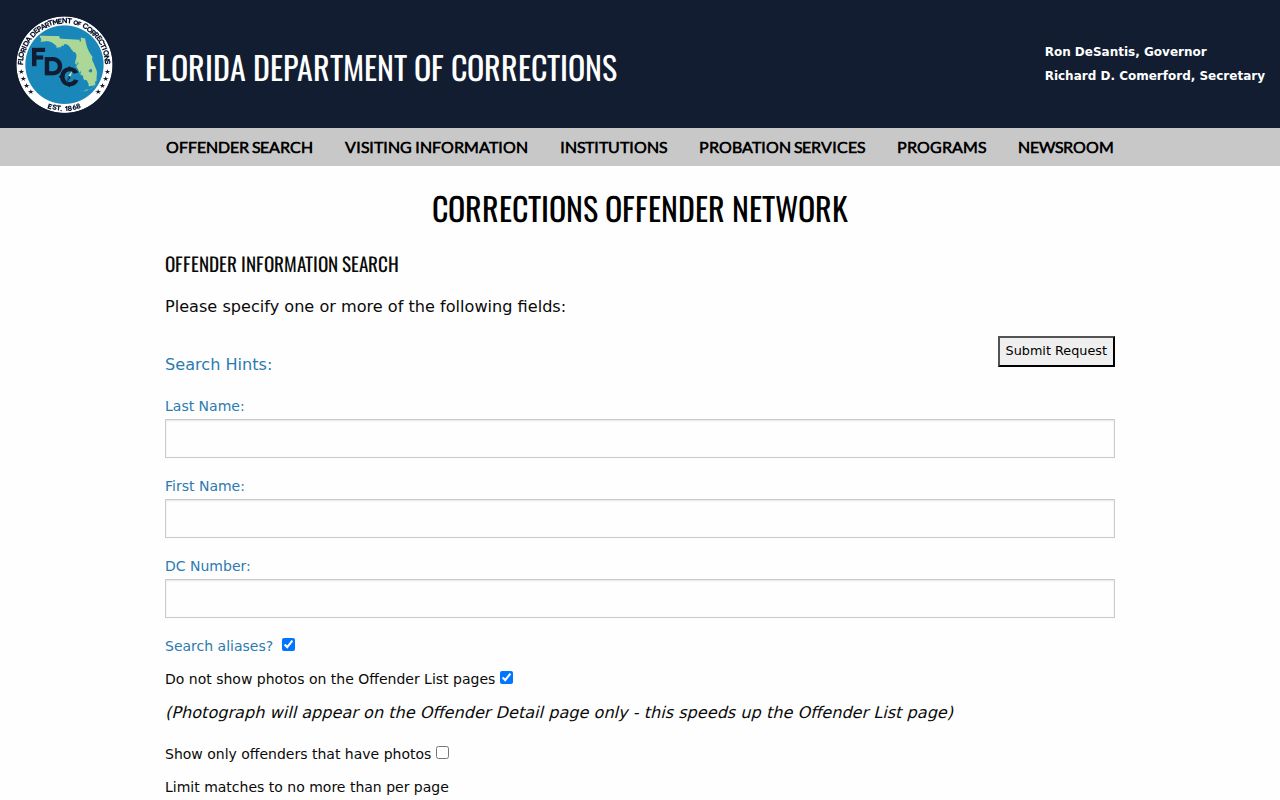
Its statewide scope is different from a current county jail roster and does not identify every person on a block.
Protect Polk County Neighbors
Public names and obituary relationships can be misused in deed-copy mailers, impostor calls, and family scams. Verify a sender on an agency domain and call the agency's published number, not a number in a suspicious message. The Florida Attorney General provides consumer and Address Confidentiality Program routes.
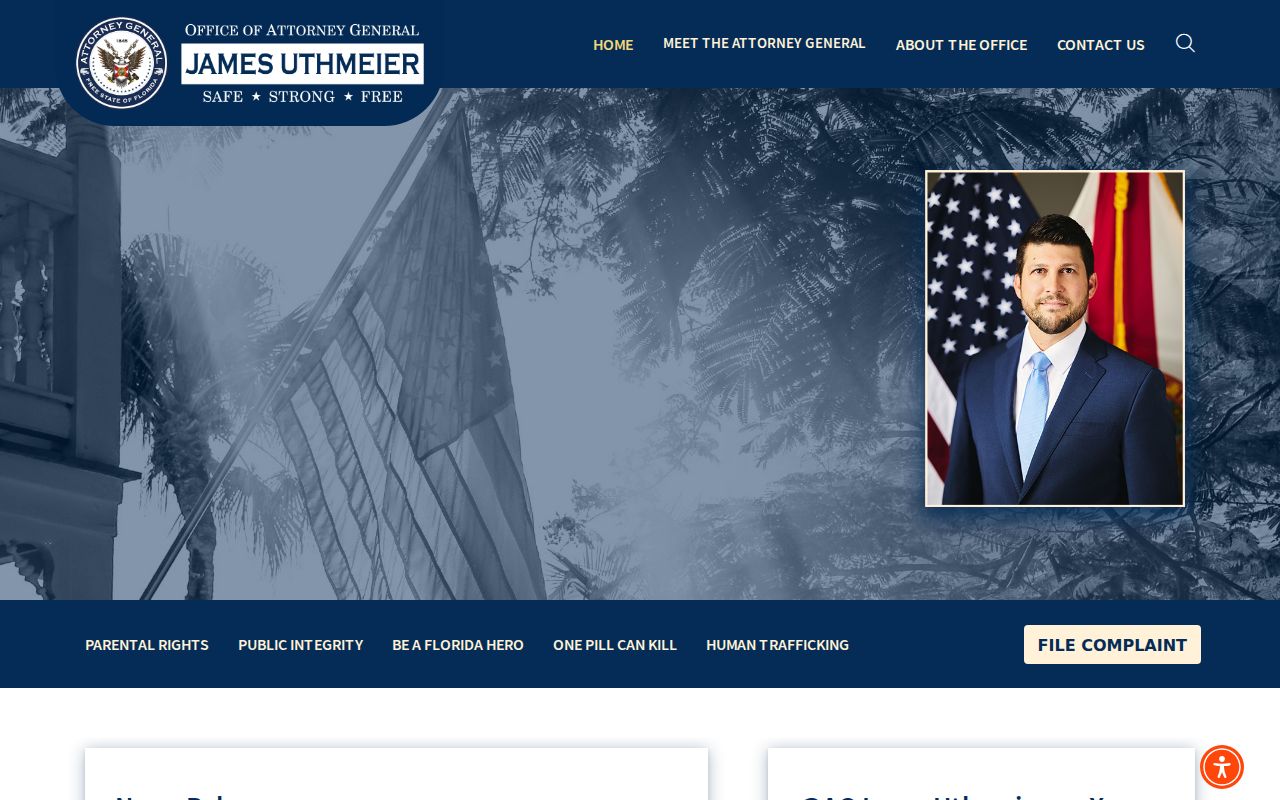
That state source is the right starting point for a Florida consumer complaint or confidentiality-program information.
National fraud can be reported through the FTC fraud reporting service.
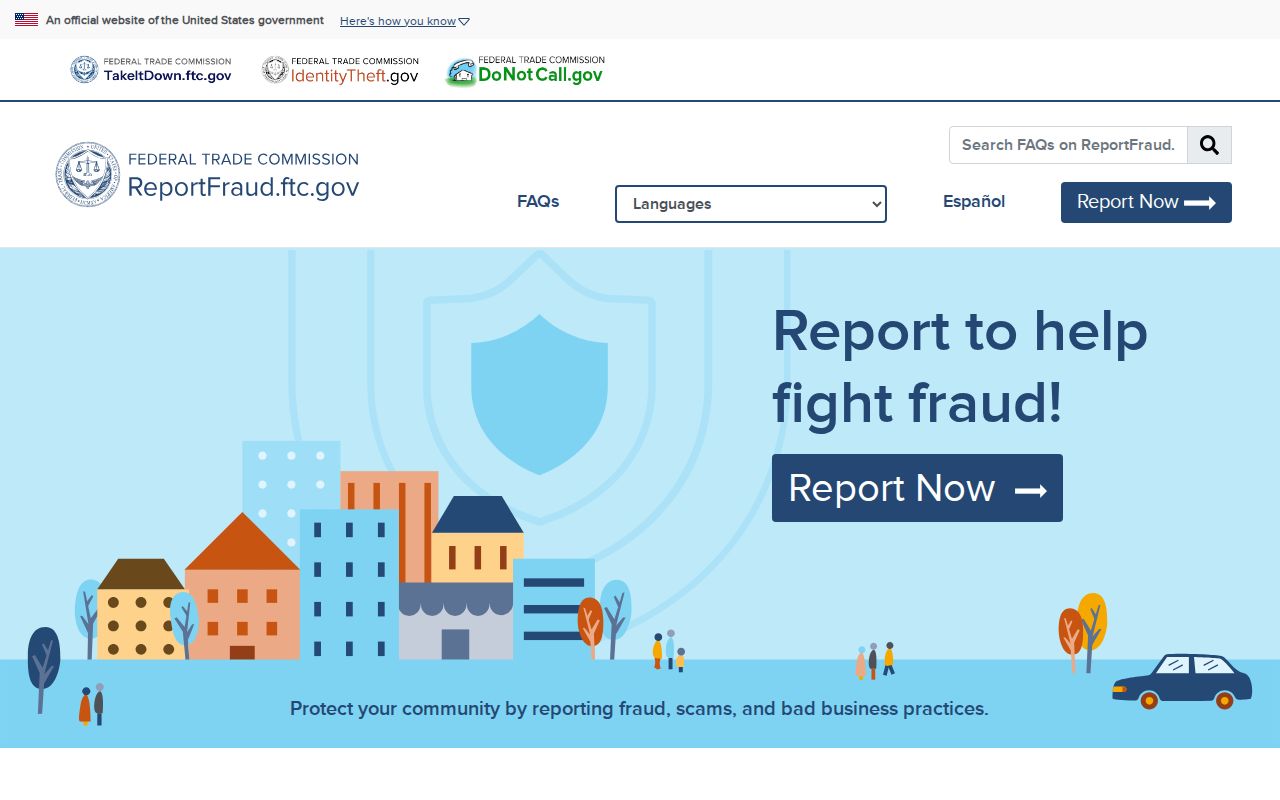
A report helps route the scam pattern, even when no money was lost.
After identity theft, the federal IdentityTheft.gov recovery service builds a response plan.
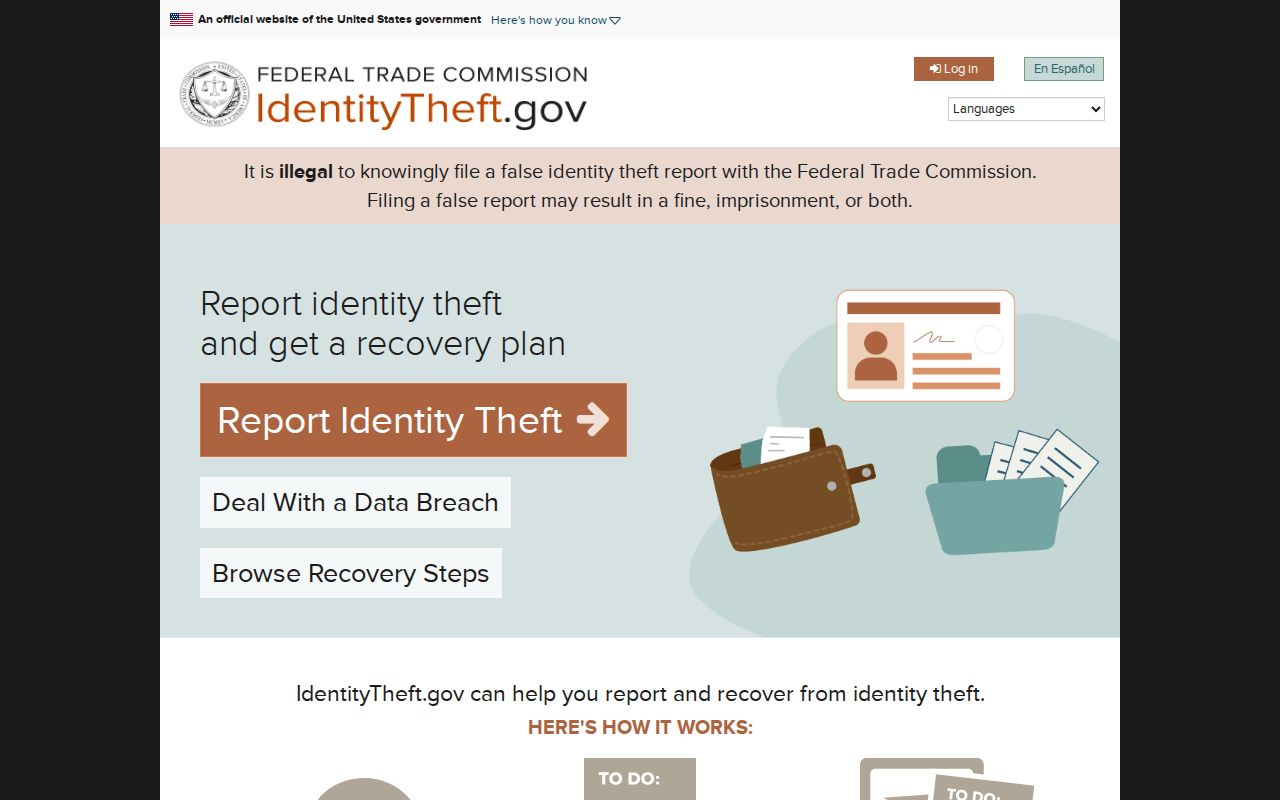
Use that plan alongside reports to local law enforcement or the affected account provider.
Polk County Neighbor Lookup Limits
Florida's Address Confidentiality Program supplies a substitute mailing address for qualifying victims of domestic violence or stalking, and protected voters can keep an address out of general release. Other statutory exemptions cover specified officials, victims, and family information. Utility, delivery, and private organization rosters are not substitutes for public records.
Your neighbors may include renters, minors, unregistered adults, recent arrivals, and people whose records are lawfully shielded. None should be inferred from silence. Florida's public-record tradition grants access to many government records, but public availability is not permission to monitor, intimidate, impersonate, or defeat a safety program. Record the date of every lookup because a sale, registration update, parcel split, or corrected filing can change the block picture. If two sources conflict, contact the named custodian and preserve both dated results until the office resolves the difference.
Lawful use. Check a block for civic curiosity, reconnection, or personal safety. Never use records to watch, threaten, harass, or harm anyone.