
Polk Previous Residents by Era
No single roll names every person attached to a Polk County address. The current parcel supplies a stable STRAP number and legal description. Recorded deeds then establish ownership transfers. Dated directories and census schedules add people who occupied the home, while obituary and probate records can explain why a household vanished from the next source. The best starting record depends on the date being studied.
| Source | Years It Covers | Where Held | What It Shows |
|---|---|---|---|
| Official Records | 1957 to present online | Polk County Clerk | Deeds, parties, dates, book and page |
| Earlier deed books | Before 1957 | Clerk counter and microfilm | Older title transfers by legal description |
| City directories | 1925 and 1926 verified; other local years not listed online | History Center and Lakeland History Room | Named occupants and possible street listings |
| Federal census | Decennial schedules through 1950 public | NARA and library databases | Household members, relationships, and tenure |
| Obituary and death indexes | 1911 to present in three local runs | Lakeland History Room | Relatives, death dates, and former addresses |
| Tax rolls and maps | Historic spans vary by collection | Polk History Center | Taxpayer evidence and physical change |
For a recent sale, start with the Property Appraiser and Clerk. For a home occupied before the online deed boundary, preserve the last book, page, party names, and legal description before moving to the counter. A rural parcel may never appear in a city directory, so tax rolls, deeds, census records, cemeteries, and newspapers become the stronger stack.
Polk Previous Resident Addresses
Begin at the Polk County Property Appraiser. Search the site address, then save the owner name, STRAP, legal description, subdivision, property address, and owner mailing address. A STRAP is Polk County's parcel identifier. It follows the land more reliably than a street label, which may have changed as roads, postal areas, or subdivisions developed.
Do not merge the situs and mailing fields. Situs means the physical property address. The mailing field is where appraisal notices go and can be outside Polk County. A homestead field supports the idea that an owner uses the parcel as a primary home, but it does not list everyone there. These distinctions keep previous residents separate from owners, trustees, and tax-mail recipients.
Polk has 17 municipalities plus wide unincorporated areas. A postal Davenport, Lakeland, or Winter Haven name does not settle which government held a permit or code case. Use the parcel's actual jurisdiction, then ask that city or Polk County for the dated address file.
Polk Previous Residents in Deeds
The Polk Official Records search is free and covers recorded documents from January 1, 1957. Search a current owner as the grantee, the person or entity receiving property, and limit the document type to deeds. Open the image and compare its legal description with the parcel. A matching name alone is weak when several people share it.
- Copy today's assessed owner, STRAP, and full legal description from the parcel record.
- Find that owner's purchase deed and confirm the land description in the scanned instrument.
- Take the grantor, the seller, and search that party as an earlier grantee for the same land.
- Repeat the transfer sequence. Record file number, date, book, page, and spelling at each step.
- At the online cutoff, bring the last known names and book-page reference to Clerk index books or microfilm.
- Grantor and grantee
- The grantor gives or sells an interest; the grantee receives it.
- Chain of title
- The linked sequence of recorded transfers for the same land.
- Legal description
- The lot, block, subdivision, or metes-and-bounds wording that identifies land despite an address change.
- Criss-cross directory
- A directory arranged by street and house number instead of only by surname.
Mortgages, liens, assignments, and satisfactions help explain the file but are not always ownership transfers. Linked documents can reveal a correction or release. The Clerk index returns party roles, recording date, instrument number, book and page, yet its hit does not prove that a party lived at the site.
Polk Previous Resident Deed Cutoff
The 1957 boundary marks online search coverage, not the start of Polk County records. The county was created in 1861. Once a chain crosses that digital line, ask the Clerk for the relevant index interval, book, and page. The Polk History Center digital collection offers only part of what the historic courthouse holds, so its Genealogical Library and noncirculating material remain important.
Earlier tax rolls can show who was assessed in a given year. Maps can tie an old legal description to a later road. Directory entries and census schedules then test whether the owner also occupied the property. Keep labels exact: deed owner, assessed taxpayer, directory occupant, or census household. That wording prevents a plausible timeline from becoming a claim the source cannot support.
Note: Bring an exact date range and legal description to Bartow; a focused request gives staff a much better chance of finding the right volume.
Lakeland Finds Previous Residents
The Lakeland History Room expressly offers house and property research help. Give staff the current address, parcel and legal description, subdivision, target years, and any old address form. Its local directories, newspapers, yearbooks, photographs, maps, building plans, and obituary indexes can connect a structure to named past residents.
The room is open Monday through Thursday from 9 a.m. to 7 p.m., Friday and Saturday from 9 a.m. to 5 p.m., and Sunday from 1:30 to 5 p.m. Research staff can be reached at 863-834-4269. This Lakeland service is strongest for a Lakeland property. A Bartow or rural parcel may require the History Center, municipal library, Clerk, and county tax evidence instead.
Map Polk Previous Resident Addresses
Old street forms must be tested, not guessed. Polk County has no verified single countywide renumbering year, and road names, postal cities, municipal limits, and subdivision addresses can diverge. Historic Acton, for example, had disappeared near Lake Parker by 1906. An old Acton reference may therefore resist a search under today's place names.
Library of Congress Sanborn maps can document a building footprint, use, outbuildings, street name, and number in incorporated places. They do not name previous residents. Attach a household with a dated directory, then use a map, deed, tax roll, or permit to track the structure itself. Some public-domain sheets are online, while later or undigitized sheets may require local or reading-room access.
Note: When two addresses may be the same parcel, compare the legal description, adjacent lots, and cross streets before joining their resident histories.
Polk Previous Resident Households
Owners are only one layer. A city directory may name an occupant, spouse, occupation, and residence, while its street section may run house numbers in order. Polk County's verified History Center holdings include directories from 1925 and 1926. The full shelf and its reading method belong on the Polk County city directory page; for an address trail, use the closest available volume and copy each entry as printed.
- Check the address in the nearest directory year, including its street section when present.
- Compare the prior and next volume to bracket a move, death, or address change.
- Pair the listing with the 1920 or 1930 census and verify the correct household through names and place.
- Use deed and tax evidence to separate the legal owner from the people occupying the home.
- Continue through obituaries, cemetery records, and probate when a resident dies or heirs take title.
Public federal population schedules currently run through 1950 under the 72-year rule. An enumeration district is the census taker's assigned area, useful when an old address is hard to index. Rural grove, mine, and farm households were often outside city-directory canvasses, so a blank directory search does not show that a family left Polk County.
Lawful use. Research past residents for house history, genealogy, and estate questions. Florida law does not permit stalking, threats, or harassment.
Polk Previous Resident Obituaries
Lakeland's local index provides an unusually continuous path: The Ledger from 1911 through 1975, a Polk death index from 1975 through 1998, and The Ledger from 1999 onward. An obituary can name relatives, a cemetery, civic ties, and a former place. Probate can then show an estate and later property transfer. Neither source should silently overwrite a deed or vital record.
Florida vital records have access limits. Birth records less than 125 years old are confidential. Death certificates without cause are public, while cause of death remains restricted for 50 years except to qualified applicants. Use the Florida birth certificate page to check who may apply and which identification is needed.
The official page below shows the state route used when a birth record is relevant to family research.
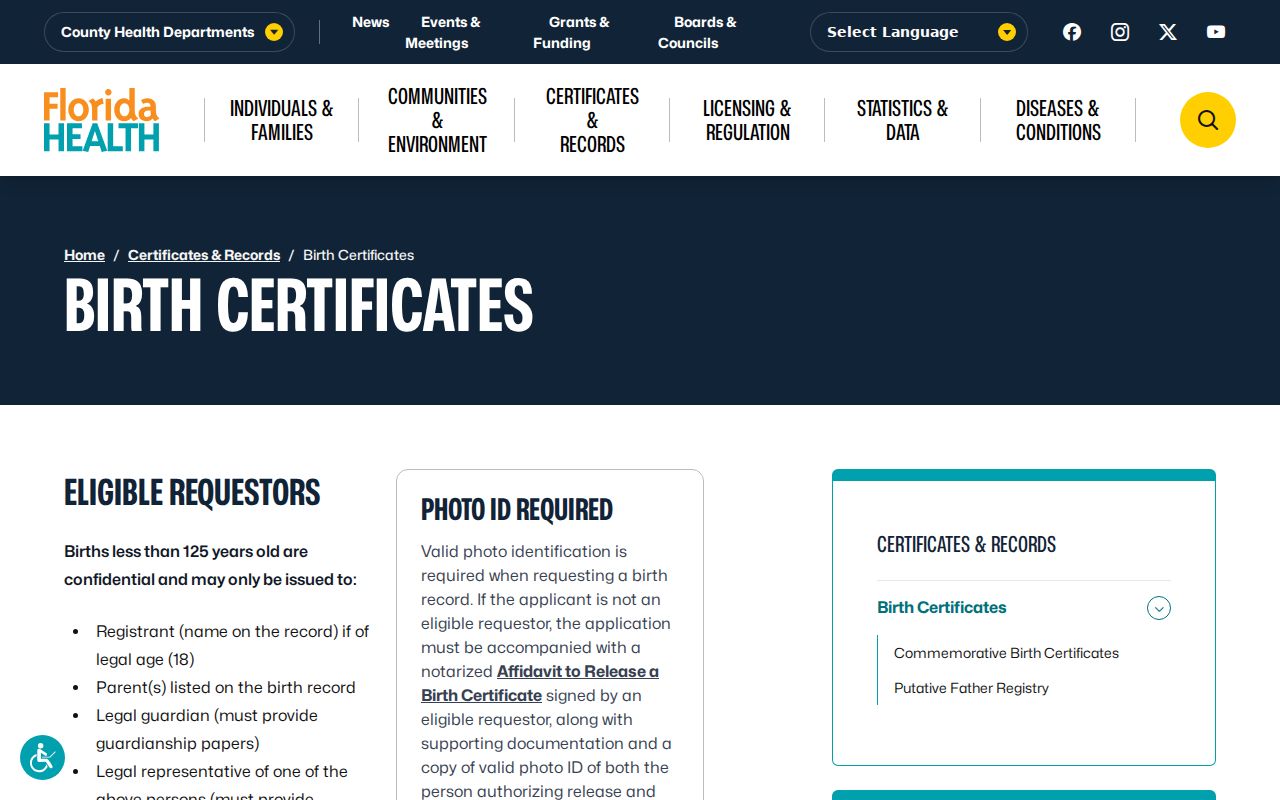
Its application guidance helps distinguish a lawful certificate request from a public index search.
The Florida vital records forms index brings the state's certificate applications together.
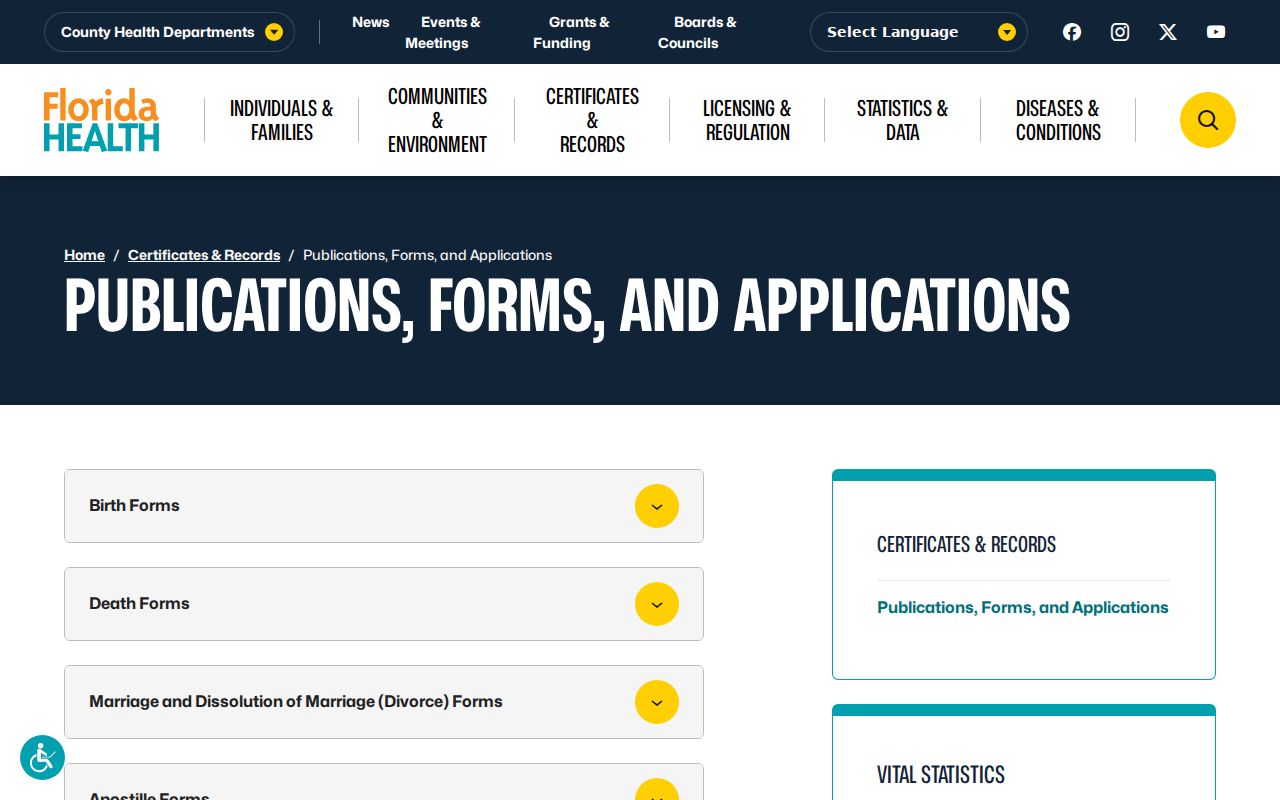
Choose the record type and current form there, then apply the eligibility rules for that certificate.
Polk Previous Resident Record Gaps
A missing image is not a missing event. Some court images require clerk review or a registered access role, and older deeds move to books or microfilm. The PIER request portal is the Clerk's fallback for certified or unavailable records. Its own direction is to check free unofficial copies in Polk Records Online first, then create an account for a tracked request.
Florida's courts have also changed their electronic access systems. The state appellate migration report explains the move to a single appellate docket system.
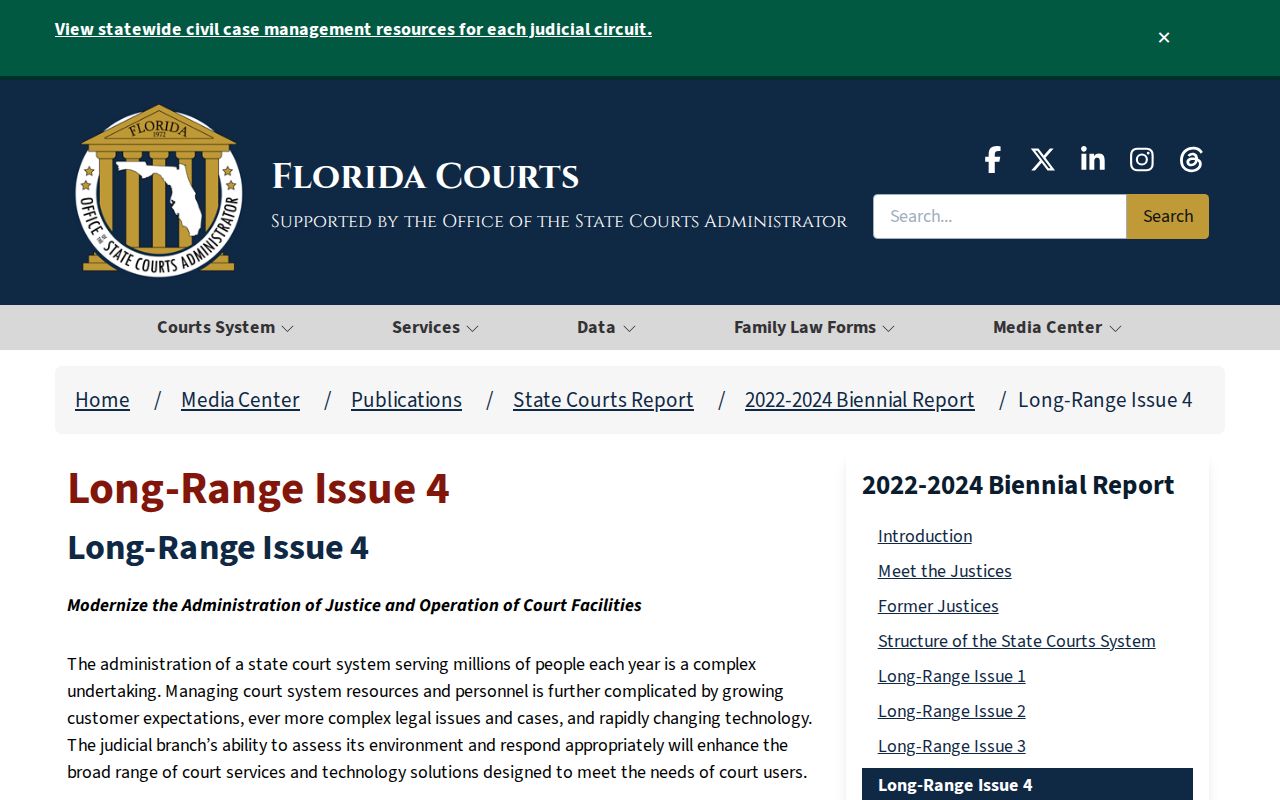
That statewide change can help with an appellate trail, but a Polk house history still begins with the parcel, local deed, and local court or probate file.